Monday, July 25, 2022

Wallking the Northumberland Coastal Path - Day 3 - Howick to Seahouses


After a good night's sleep and a hearty breakfast at The Old Rectory in Howick it was time to set off on day three of our walk. 


Howick's village is so tiny that it only took a few minutes to walk through it. There are no shops or pubs, but there is a post box and a bus stop! And it's absolutely charming.


It didn't take long to get back on to the Northumberland Coastal Path with its sweeping views. 
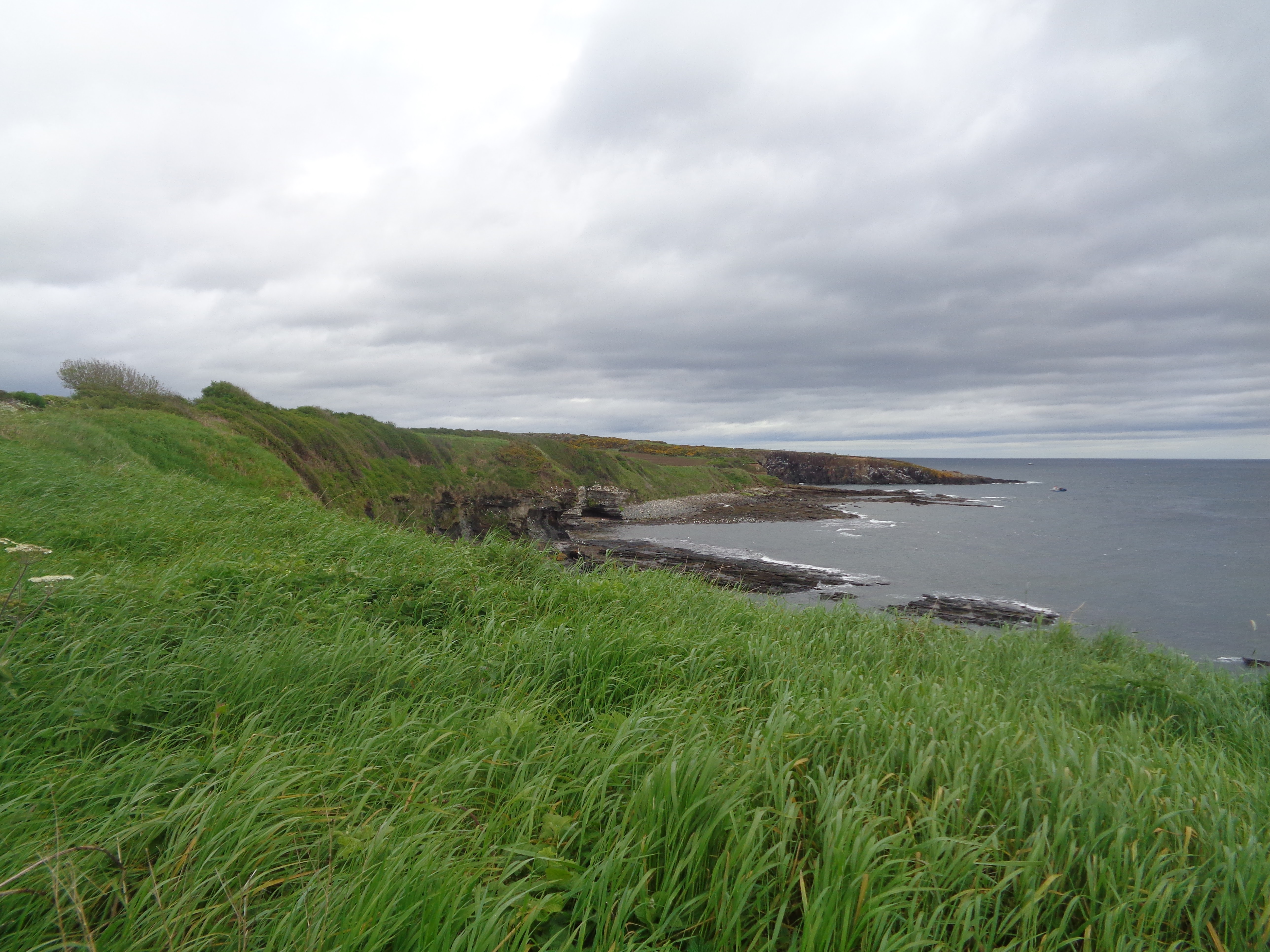


Once again, the day started off overcast although temperature-wise it was perfect walking weather.


Just under two miles from Howick is the small fishing village of Craster which is famous for its kippers. L Robson and sons have been in the business of smoking kippers and salmon for over 100 years and still use the original smokehouses. 


Unlike Howick, this village does have a pub, The Jolly Fisherman, which is hard to miss if you are walking the coastal path as the path cuts through the patio! 


Unfortunately, it was too early for the pub to be open otherwise it would have been a nice spot to have a drink and look out over the picturesque harbor. 


In the distance to the north, you can also see the ruins of Dunstanburgh Castle. From Craster, the path cuts across over a mile of farmland to the ruins.


The castle, built by Earl Thomas of Lancaster, dates back to 1313 but was the focus of fierce battles during the War of the Roses between the Lancasters and the Yorks in the 15th century. With the defeat of the Lancasters, the castle ended up in the hand of the Yorkists and subsequently fell into decay.

It is still an impressive sight. The ruins are open to the public but we decided to just view them from the outside. 


The twin-towered keep

Lilburn Tower

Once past the castle, the path hugs the coastline.  


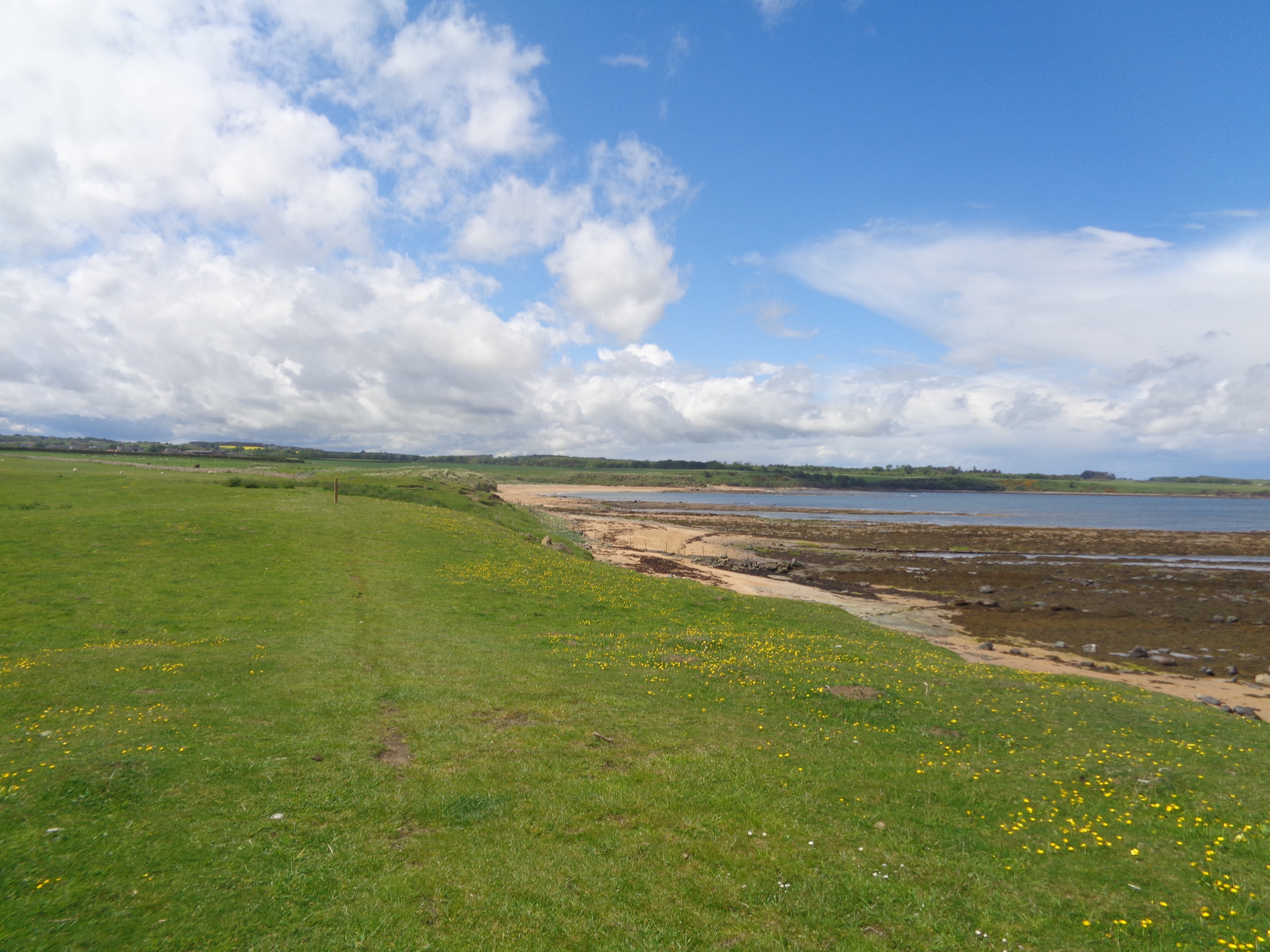
Looking back, we had wonderful views of the sweep of sandy beach at Embleton Bay with the ruins in the distance. And finally, there was even some blue sky!
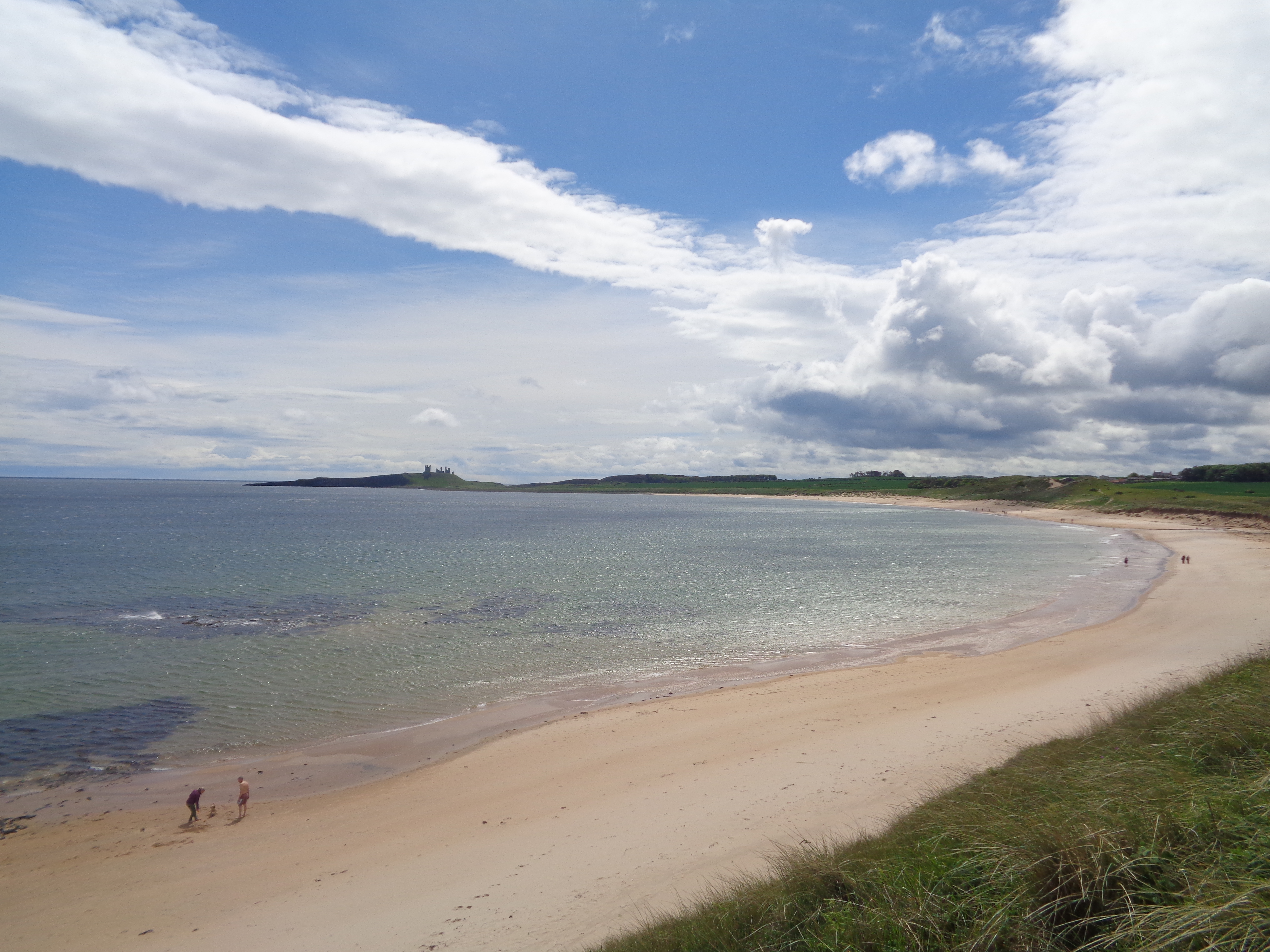
Looks like we've walked a long way!


After all that walking, it was definitely time for a rest. Luckily, at the north end of the beach is Low Newton, a village almost completely owned by the National Trust, with a pub in the village square.
It was a popular place. We hadn't seen this many people at any other point on our walk. And it seemed especially popular with dog owners! I think we might have been the only people there that didn't have a dog. The bar area inside is quite small but there were plenty of places to sit outside. 

The Ship Inn


Rested and refreshed, it was time to get back on the trail. 


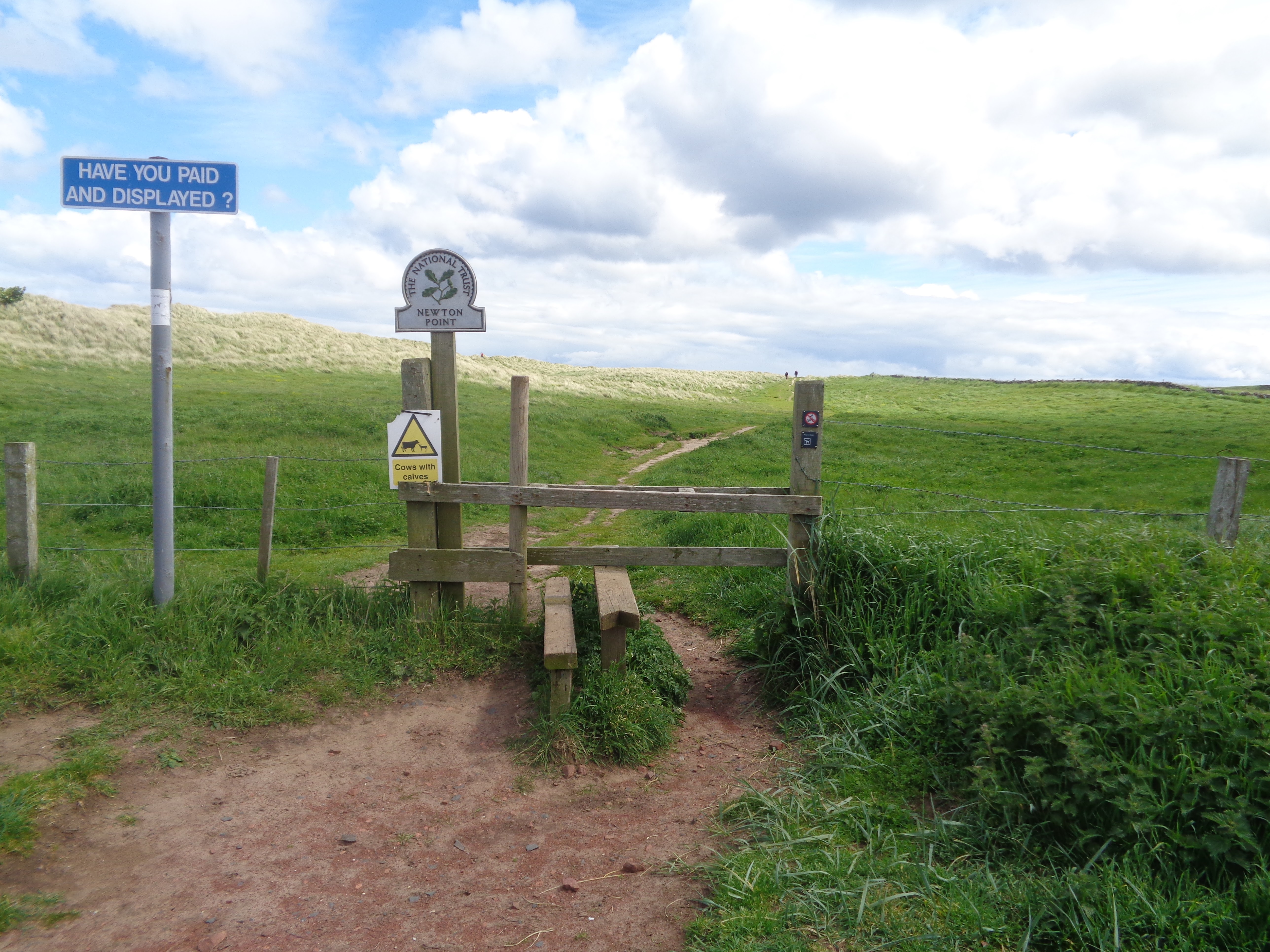
One of the few stiles, we came across on our walk. Most of them have been replaced by gates.

Eventually, we came to Long Nanny wildlife sanctuary maintained by the National Trust, which provides a nesting place for Arctic and Little Terns. The path veers inland to keep walkers away from the nesting sites in order not to disturb the birds which tend to nest at the mouth of the estuary.

The Long Nanny Bridge


View of the estuary from Long Nanny Bridge


After crossing the bridge, the path goes through Beadnell Bay Sand Dunes and into the town of Beadnell itself. Beadnell is considered a watersports paradise and is a popular tourist spot, but we were there pre-season and it was very quiet.

A bench on Harbour Rd, Beadnell offered a welcome break.


The last two miles of our walk took us through Annstead Dunes Nature Reserve, up onto the main road past Seahouses Golf Club, and into the village of Seahouses. Seahouses is a fishing village with an active harbor.  From here, there are boat trips out to the Farne Islands, famous for the large number of seabirds and seals that make it their home. 


Seahouses Harbour


After logging 13 miles on our walk since we left Howick, our night's accommodation, The Links Hotel, was a welcome sight. It had been another wonderful day on the coastal path.

Mel writes contemporary fiction with a twist of mystery and suspense and the Detective Rigby series.
For more information about her books visit her website, or sign up for her newsletter.


Tuesday, July 12, 2022

Walking the Northumberland Coastal Path - Day 2 - Alnmouth to Howick

                                                                                  
After a good night's rest at the Schooner Hotel, day 2 of our walk began with a stroll along the main street in Alnmouth.

The village dates back to 1150 and most of it was designated a conservation area in 1972. In 2020 Conde Nast Traveler rated it among the 20 most beautiful villages in the UK and Ireland.  
Alnmouth Village Golf Club sits between the village and the beach. Established in 1869,  it is the fourth oldest course in England.  It certainly has beautiful views. 

The view from the village across the golf course to the beach.


We hadn't been walking long when the gray clouds started to look distinctly more threatening. 

Talk about changeable weather!

On the beaches and clifftop, remains of World War II fortifications dot the landscape, but the gun battery below was actually built in 1852 by the Duke of Northumberland who feared a French invasion. 


But there was nothing old about the charming small campsite further along the clifftop. 

This looks like my idea of camping!

Further on, a picturesque tunnel through the trees helped distract somewhat from the uphill gradient.


But then it was back out into the open. 


With a meadow of purple wildflowers on the left.


Three miles from Alnmouth is the village of Boulmer, a tiny fishing village, so small it doesn't even have a shop. But of course, being an English village, it does have a pub. Which was just as well for us, because no sooner had we got into Boulmer than the skies opened in another torrential downpour. Unfortunately, we got into Boulmer just after eleven and the bar didn't open until twelve, so we had to take refuge in an old stone bus shelter in the interim! The state of the interior suggested it's main occupants were birds, but it was better than getting soaked yet again.

The Fishing Boat Inn

It was worth the wait. The Fishing Boat Inn is a friendly place with excellent food. It was only a shame we couldn't enjoy their outdoor patio with wonderful sea views. Maybe next time! Not surprisingly several people who came in also looked like walkers taking refuge from the rain. By the time we'd finished our lunch, the rain had stopped but just as we were about to leave it started again. We took that as a sign that we should have another drink. 

Finally, we got back out on the path. 

Flat and low, the path was easy to walk.


And within twenty minutes we had blue skies again!


Sometimes it felt as if we had the path all to ourselves. 

At times it headed in across moorland

But regular glimpses of sandy bays confirmed we were still on the right path.


We crossed moorland 

and farmland

and everywhere there were bursts of colorful wildflowers.


Originally my plan had been to walk from Alnmouth to Craster, a village two miles further north from Howick, but I couldn't find any accommodation in Craster for just the one night. Luckily a search of places nearby came up with The Old Rectory in Howick which is only a five-minute walk from the coastal path. 

What a find. Howick is a tiny village, most famous for Howick Hall, the ancestral seat of the Earls Grey. The 2nd Earl Grey was Prime Minister of the United Kingdom from 1830 - 1834 and it is widely believed that Earl Grey tea was named after him.

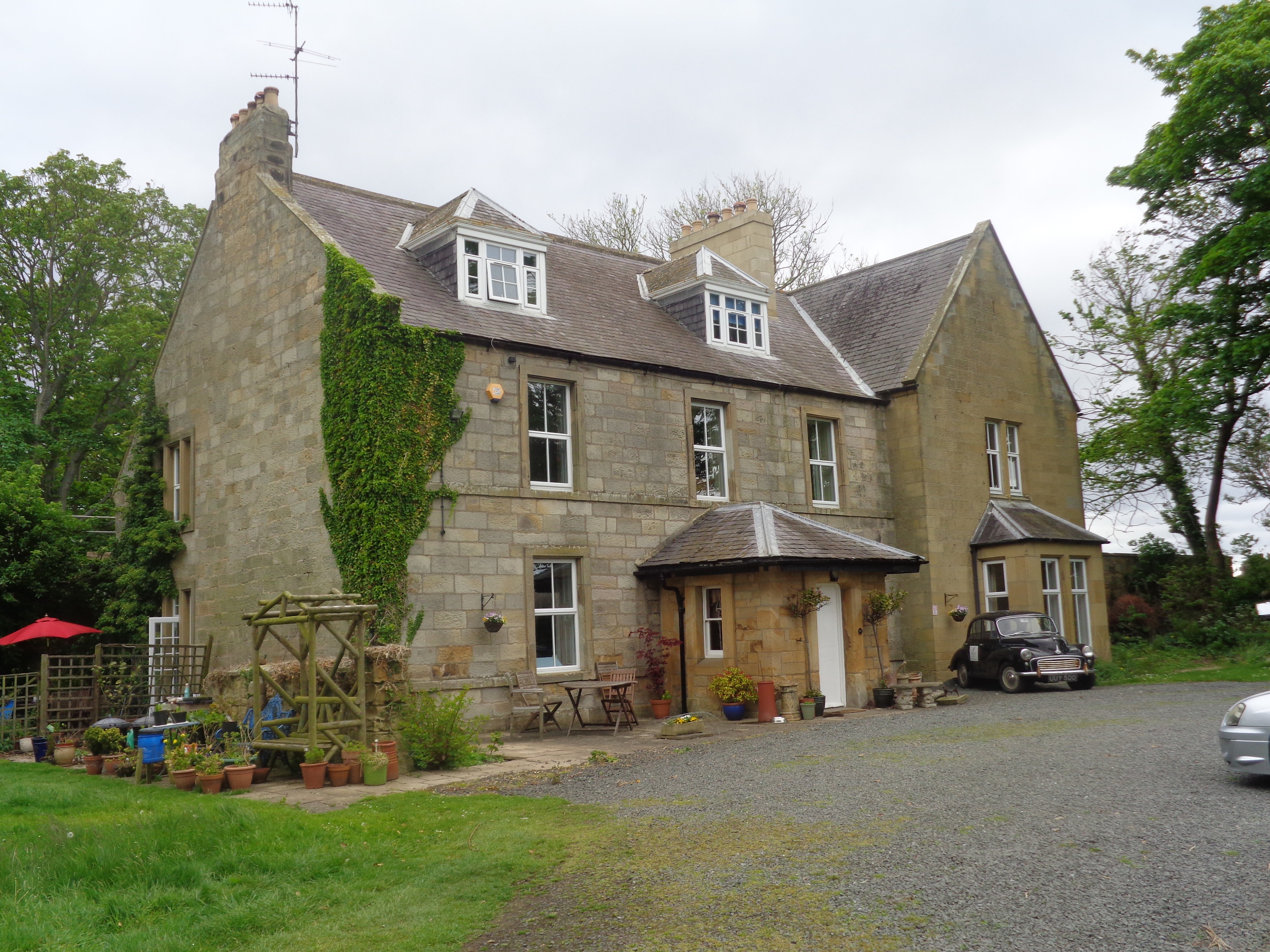
The Old Rectory was built to provide accommodation for the church at Howick Hall and is believed to date from 1746. It's a beautiful old house, lovingly restored as a country B & B by the owners, Jude Leitch and David Gourdie, who were most welcoming hosts. The bedrooms are large and comfortable, there is a cozy lounge, and a dining room serving not only hearty breakfasts but also evening meals. The latter is a real plus if, like us, you don't have a car. I chose the Butternut Squash Curry which was absolutely delicious. 

The Old Rectory, Howick

If you find yourself looking for accommodation in the area, I highly recommend you check The Old Rectory out. And if camping is more your style, they even have a glamping tent in the garden! 

It was a perfect place to wrap up a great day's walk. 

Mel writes contemporary fiction with a twist of mystery and suspense and the Detective Rigby series.
For more information about her books visit her website, or sign up for her newsletter.
Tuesday, July 5, 2022

Walking the Northumberland Coastal Path - Day 1 - Amble to Alnmouth


After walking part of the South West Coastal Path in Cornwall in 2017, I was eager to do more coastal walking in the UK, but it was only earlier this summer that I got a chance to return to England. Given I was going to be based in Newcastle upon Tyne for part of the visit, I decided to walk part of the Northumberland Coastal Path which runs for 62 miles from Creswell to Berwick on Tweed, just south of the Scottish border. 


I didn't have time to do the whole path so I picked a section from Amble to Bamburgh - approximately 28 miles - split over four days so there was plenty of time to see the sights, especially the castles, along the way.

Amble is a small town at the mouth of the River Coquet. Originally a farming community, it became a coal exporting center when mining opened in the area in the 19th century and then fishing and shipbuilding became important. Nowadays, tourism is a big part of the economy and the town has a bustling and modern marina. 


Quite a contrast to the High Street where the buildings retain their old-world charm. It's easy to see that the need to park cars was never a consideration when the town was built. 


The weather looked ominous as we set off alongside the River Coquet toward our first stop, Warkworth. 


Just over a mile into our walk, we arrived at Warkworth Castle. The castle dates back to the 12th century. In 1327 it was besieged by the Scots and thereafter played a prominent role in the long war between England and Scotland.  In 1332 Edward III granted the castle to Lord Henry Percy and, apart from a few periods when the family was out of favor with the king of the time, the Percy family retained the grant until 1922 when the castle was given back to the state.


Most of the castle is in ruins with the exception of the Gatehouse which was restored in the 1920s and the Great Tower but it's still an impressive sight. 

View of the castle from outside the grounds


The approach to the Gatehouse


the Great Tower is almost intact despite being over 600 years old


The Carrickfergus Tower partially collapsed in the 18th century.

I enjoyed looking around the inside of the Great Tower which was the original principal residence for Henry Percy's grandson (also named Henry) who was the first Earl of Northumberland. The rooms are bare but with the help of well-placed information boards, it's not hard to picture what it would have been like. 


The Kitchen


The Buttery and Pantry 

 
The view from the top of the Great Tower. You'd certainly be able to see the enemy coming!


Continuing on from the castle the path takes you alongside the River Coquet into the village of Warkworth.


By the time we got into the village, it was well past lunchtime so we stopped off at The Mason Arms for a well-earned rest before heading across the ancient Warkworth Bridge for the next phase of the walk.


Within ten minutes we were heading toward the coast. There were very few other walkers about, but maybe that was due to the constant threat of rain.  


We did have some breaks in the clouds. And even with the clouds, the temperature was perfect for walking so we couldn't complain. Besides, the unpredictable weather is probably responsible for Northumberland being named an area of outstanding natural beauty. Despite the miles of beautiful beaches, the lack of consistent sunshine and warmth has deterred all but the hardiest of tourists in the past which means there has been very little development along the coastline. 

Don't you hate crowded beaches?

Wildflowers in full bloom add to the beauty.

Yikes! Up until this point the path was relatively flat.


Once over the hill, we turned slightly inland. Luckily the path is very well signposted or I might have thought we were going the wrong way. 

The sea is somewhere behind those dunes, isn't it? 


Soon we were walking past farmers' fields and hedgerows.


But finally, our destination came into view with its pretty multicolored buildings. And could that possibly be blue sky ahead?

The road bridge across the estuary into Alnmouth is a grade II listed structure built in 1864 called the Duchess Bridge. The stone side of it is just visible on the right of the metal bridge below. Being so old the bridge isn't wide enough for cars and pedestrians so the latter have to use the metal walkway. I can't help wondering whether the designers couldn't have come up with something a little more attractive and in line with the old bridge. 

One final bridge to cross. 


The view back over the estuary from Alnmouth after we crossed the bridge. Where did the blue sky go?


Ten minutes to go, but the rain couldn't wait. The skies opened in a torrential downpour. By the time we got to our hotel, we were soaked through. 

But looking on the bright side - it could have rained all day. 


Mel writes contemporary fiction with a twist of mystery and suspense and the Detective Rigby series.
For more information about her books visit her website, or sign up for her newsletter.